
ABI PROMEDICAL · DIGITAL HEALTH

A clearer picture of progress, over time

Rehabilitation is a process, not a single appointment. ABI Promedical is exploring how a person-controlled digital companion could help people and clinicians follow goals, practice and change between visits—locally in Latvia and, with careful validation, across borders.

ABI PROMEDICAL.APP

Talk to ABI

The clinic site and app share a direct route into ABI’s existing text guide. Visitors can explore the app, get help navigating the product, and continue into the app’s own assistant. The app guide does not diagnose or replace a clinician.

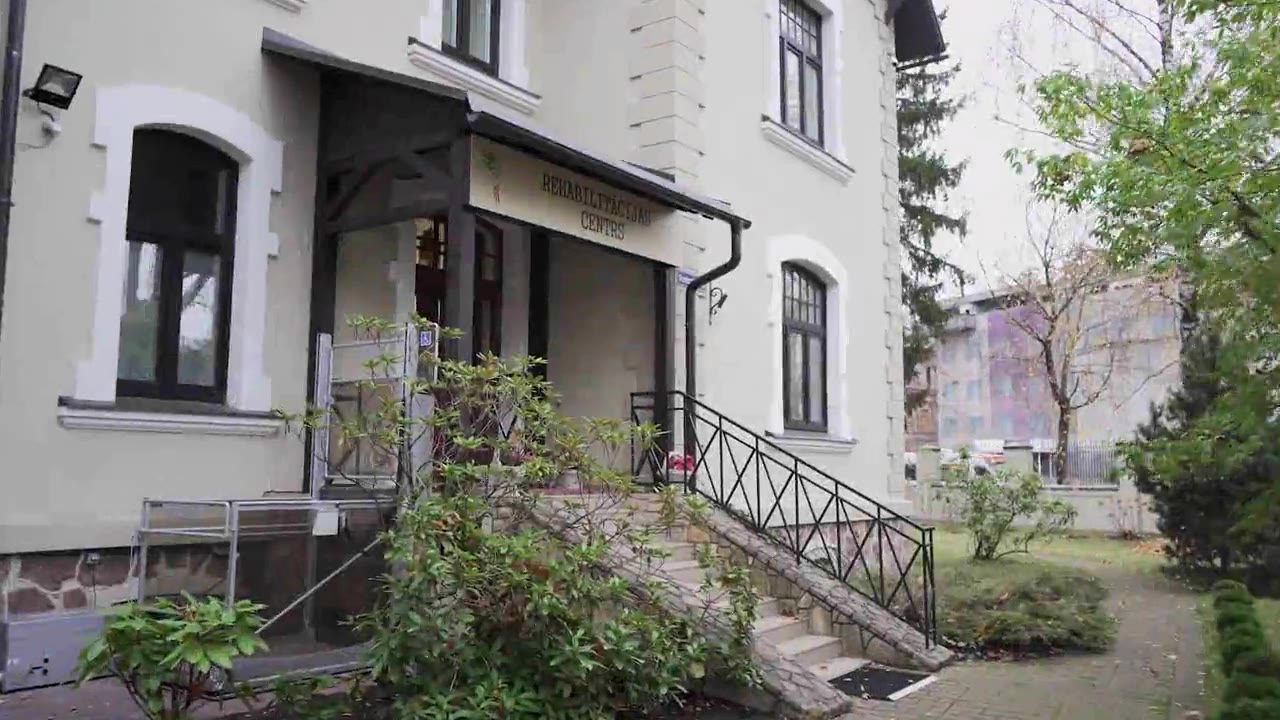
ABI Promedical concept video still illustrating digital rehabilitation support
What the app does today

A controlled pilot

The ABI app currently supports health-document organization and consent management. Clinical processing is disabled. It does not currently assess movement, analyze camera or microphone input, generate clinical conclusions, or replace a consultation.

Open ABI Promedical app ↗
Future concept

A short look at the development concept

This reel combines excerpts from the videos supplied to ABI Promedical: guided functional-check screens, a camera-based movement demonstration and a progress-view concept. It illustrates a direction for development; it is not a description of currently available clinical features.

Prototype footage only · Sensor-based clinical processing is disabled in the current app pilot.

Development concept

A personal record of rehabilitation

With a person’s informed choice, a future system could bring together their goals, check-ins and selected functional measures in one timeline. A clinician could review changes alongside the person’s own account and the findings from an appointment. The aim is more structured follow-up and a useful shared picture—not a score that defines a person or proves recovery.

01

Agree on goals

A clinician and person choose practical goals and, where suitable, a small set of repeatable tasks. The person decides what to record and can skip a measure.

02

Check in between visits

The app could record self-reported symptoms, confidence, activity and exercise practice, with dates and context. These reports remain the person’s experience, not sensor-confirmed facts.

03

Optional phone measures

A guided camera clip could be explored for specific, standardized movements—for example, a clinician-selected movement task. A phone microphone or audio recording would only be considered when relevant to an agreed goal and separately enabled. No continuous recording.

04

Review change with a clinician

If a measure is shown to be reliable for its intended use, the app could display within-person trends, repeat-session comparisons and data-quality notes. A clinician interprets these in context, checks unexpected results and can correct or disregard them.

Future workflow concept

A clinician-guided cycle for longer-term care

A future system could help organize selected information across visits. The treating professional chooses measures that fit the person’s goals, condition and care plan; the app supports collection and review.

01

Assess

Record relevant history, priorities and consent. A clinician selects appropriate orthopedic or neurological measures and questionnaires.

02

Plan

Agree functional goals and a manageable plan with the person and, where relevant, the wider rehabilitation team.

03

Practice

Log exercises and everyday activity with optional self-reports. Phone or wearable measures would only be collected when chosen, suitable and consented.

04

Review

Repeat selected tasks or questionnaires at agreed intervals. Compare a person’s own results over time, with notes about context and data quality.

05

Adjust

Use the record to prepare a follow-up conversation. A qualified clinician interprets the information and decides whether the plan should change.

Future workflow concept

Possible information groups

Orthopedic function

Clinician-selected movement and task measures, range of motion or symmetry where suitable, plus relevant pain and function questionnaires.

Neurological function

Selected balance, coordination, mobility or upper-limb tasks where clinically appropriate, with professional assessment and safety planning.

Daily life and participation

The person’s reports of activity, symptoms, confidence and exercise practice; optional phone or wearable summaries only with explicit choice.

Structured assessments

Condition-relevant questionnaires and established assessment protocols, selected by a clinician. Use would depend on validation, appropriate translations and any required permissions or licensing.

Not every person needs every measure. The system should collect only information relevant to agreed goals and care, and present uncertainty and context alongside any trend.

What a phone may contribute

Modern phones may provide a camera, microphone, motion sensors and time-stamped self-reports. Availability and quality differ by device, environment and task. Camera position, lighting, clothing, background, mobility aids and network conditions can affect a recording. Any future measure would need a defined protocol, known limitations and testing across relevant devices and people before it could inform clinical decisions.

Why this could help

  • See a longer timeline instead of relying only on memory at the next appointment.
  • Notice whether a chosen activity or movement task is changing for that individual.
  • Prepare a focused remote consultation with shared notes and selected measures.
  • Support continuity for people who travel, live far away or need follow-up between in-person visits.

Designed around people and safeguards

Participation should be optional and based on clear, specific consent. People should be able to review what is collected, withdraw permission and ask about access, export and deletion. Future design work should minimize collection, protect accounts and limit access. Raw video or audio should not be retained by default; any storage would need a clear purpose, explicit choice and an appropriate legal basis. No emergency monitoring is offered.

Clinical limits and responsible development

Phone-derived signals are not the same as a diagnosis or a full clinical examination. Device measures can be incomplete or misleading, and should never be interpreted without context. The current pilot has no clinical sensor analysis. Before any medical-purpose measurement or AI feature is released, ABI would need to define its intended purpose, validate performance and usability, establish appropriate clinical oversight, and assess applicable privacy, medical-device and AI requirements with qualified specialists.

Build and evaluate with us

We welcome conversations with physiotherapists, rehabilitation centres, universities, researchers, patient representatives and responsible technology teams. Potential work includes workflow design, accessible multilingual experiences, protocol development, device testing and appropriately governed research. International use would require language, population, device and local-care validation—not translation alone.

Discuss collaboration ↗
Book a visit