ABI PROMEDICAL · RIGA · LATVIA

Post-Operative Rehabilitation

A progressive, supervised plan to support movement and function after surgery, within the precautions set by your care team.

How rehabilitation may help

A physiotherapist considers your medical history, current function, relevant test results and goals before recommending a plan. The examples below are educational, not a diagnosis or promise of outcome.

A progressive, supervised plan to support movement and function after surgery, within the precautions set by your care team.

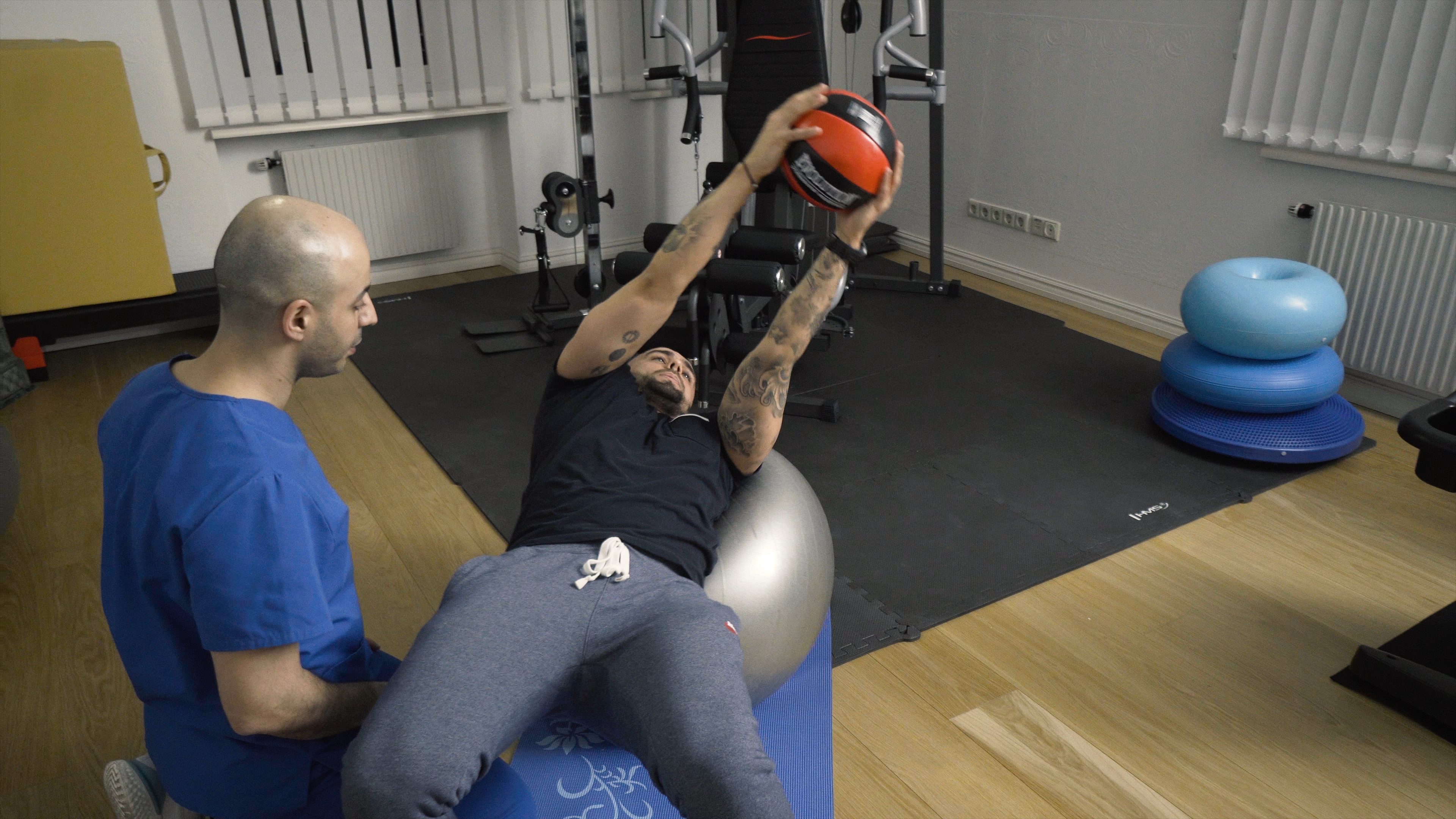
Supervised strengthening exercise in a rehabilitation gym
ABI PROMEDICAL · RIGA

Common reasons people seek this service

40 examples · not a ranking or diagnosis. These examples help you decide whether to ask about this service; they do not confirm a diagnosis or determine treatment.

40
Choose a concern to see how a visit may be planned.
For this concern, the clinician would first clarify your symptoms, relevant history, current function and personal goal. A plan can only be recommended after an individual assessment; modalities are optional adjuncts where suitable, while active practice is adapted to your capacity.
ABI PROMEDICAL · RIGA

What care could look like

These short examples show how a clinician might connect an everyday goal with rehabilitation. They are illustrations, not prescriptions: your clinician agrees any plan with you after assessment.

Walking after knee surgery

How we may help

The clinician would first check the procedure, healing stage and the surgeon’s weight-bearing and movement instructions.

Illustrative progression

  1. Understand the starting point

    The clinician would first check the procedure, healing stage and the surgeon’s weight-bearing and movement instructions.

  2. Practise and adapt

    Work within those precautions on permitted movement and walking; progress strength and daily tasks when appropriate; review response with the care team.

  3. Review and agree next steps

    Your clinician reviews your response with you and adapts the next steps.

Returning to daily tasks after shoulder surgery

How we may help

We would check the operation-specific restrictions and identify which self-care or reaching tasks matter to you.

Illustrative progression

  1. Understand the starting point

    We would check the operation-specific restrictions and identify which self-care or reaching tasks matter to you.

  2. Practise and adapt

    Practise only permitted movement; build task-specific capacity as cleared; progress with the surgeon’s guidance.

  3. Review and agree next steps

    Your clinician reviews your response with you and adapts the next steps.

How your care may be planned

Start with your history, priorities, safety considerations and the activities you want to do. Your physiotherapist selects relevant movement or functional checks and agrees goals with you.

When appropriate, the plan centres on supervised, graded practice: mobility, strength, balance, coordination, endurance or task-specific training. The starting point and progression are individual; you can ask questions and review the plan at each visit.

A device-based modality (for example, ultrasound, electrical stimulation, laser, magnetic therapy, diathermy or cold application) is considered only if the clinician can explain a relevant purpose, suitability, precautions and alternatives. These methods are not interchangeable and are not indicated for every concern.

Digital follow-up may help people record goals and activity over time. ABI Promedical.app is a separate pilot; clinical sensor analysis and AI assessment are not active. The website does not diagnose or promise a result.

Assessment · education · individualized training · optional modalities when appropriate · review against goals
Evidence and guideline examples

Care is guided by the person’s goals and function. Evidence and recommendations differ by condition: for example, NICE recommends tailored exercise for osteoarthritis and advises against several electrotherapy modalities for that indication; it also advises against ultrasound, TENS and interferential therapy for low-back pain. Your clinician should explain the evidence for your specific situation.

WHO: Rehabilitation ↗NICE: Osteoarthritis recommendations ↗NICE: Low back pain and sciatica ↗
When to seek urgent medical care

If symptoms are sudden, severe or rapidly worsening, or you have new weakness, loss of sensation, chest pain, breathing difficulty, fever after surgery or another urgent concern, seek appropriate medical care rather than waiting for routine rehabilitation.

Post-Operative Rehabilitation

01When should I start after an operation?

Follow your surgeon’s instructions first. Timing and restrictions depend on the procedure, healing and any complications. Contact the clinic with the operation date and written precautions so the team can confirm whether the appointment timing is suitable.

02What will rehabilitation involve?

After reviewing your goals and the instructions from your surgical team, the physiotherapist may work on safe movement, mobility, strength, daily activities and a paced home programme. Progress is adapted to symptoms and any post-operative limits.

03What should I bring?

Bring your discharge or surgeon instructions, relevant reports, current medicine list and any mobility aid you use. Please tell us about wound concerns, new swelling, fever or sudden worsening; these may need medical attention before rehabilitation.

Before and after booking

01Can I request English, Latvian or Russian?

Yes. Choose your preferred communication language in the booking form. This is a request for the clinic team; please contact us if language support is essential so we can confirm availability before your visit.

02Will I receive a confirmation or reminder?

The clinic’s booking system sends messages according to its notification settings and the contact details you provide. Check your confirmation for appointment time and any instructions; contact the clinic if it does not arrive or you need to change the booking.

03Can I upload medical records or my Latvian ID card, and should I enter my personal code?

No. The public booking form does not accept medical files or ID-card images. Do not enter health details or your personal identity code in any booking field, or send records by ordinary email. Bring relevant documents to your visit, or email info@abipromedical.com to ask for a secure transfer route without attaching the documents. If specific identifying information is needed for your care or clinical records, the clinic will explain the purpose and requirements. The ABI app is a separate controlled pilot; clinical processing is currently disabled.

Related rehabilitation services