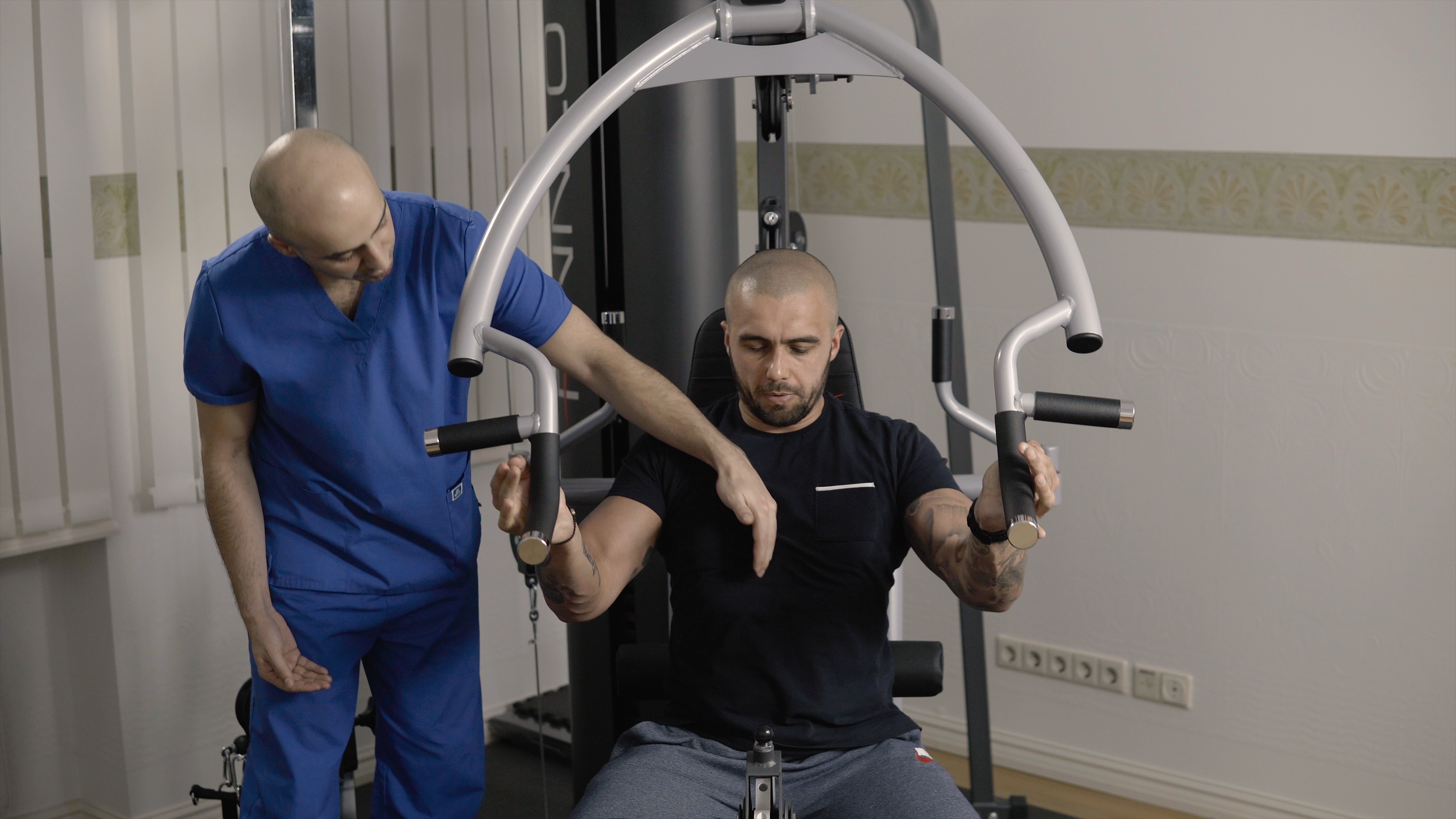
How your care may be planned
Start with your history, priorities, safety considerations and the activities you want to do. Your physiotherapist selects relevant movement or functional checks and agrees goals with you.
When appropriate, the plan centres on supervised, graded practice: mobility, strength, balance, coordination, endurance or task-specific training. The starting point and progression are individual; you can ask questions and review the plan at each visit.
A device-based modality (for example, ultrasound, electrical stimulation, laser, magnetic therapy, diathermy or cold application) is considered only if the clinician can explain a relevant purpose, suitability, precautions and alternatives. These methods are not interchangeable and are not indicated for every concern.
Digital follow-up may help people record goals and activity over time. ABI Promedical.app is a separate pilot; clinical sensor analysis and AI assessment are not active. The website does not diagnose or promise a result.
Assessment · education · individualized training · optional modalities when appropriate · review against goals
Evidence and guideline examples
Care is guided by the person’s goals and function. Evidence and recommendations differ by condition: for example, NICE recommends tailored exercise for osteoarthritis and advises against several electrotherapy modalities for that indication; it also advises against ultrasound, TENS and interferential therapy for low-back pain. Your clinician should explain the evidence for your specific situation.
When to seek urgent medical care
If symptoms are sudden, severe or rapidly worsening, or you have new weakness, loss of sensation, chest pain, breathing difficulty, fever after surgery or another urgent concern, seek appropriate medical care rather than waiting for routine rehabilitation.